Tuckpointing vs. Repointing — What's the Difference?
The Short Answer
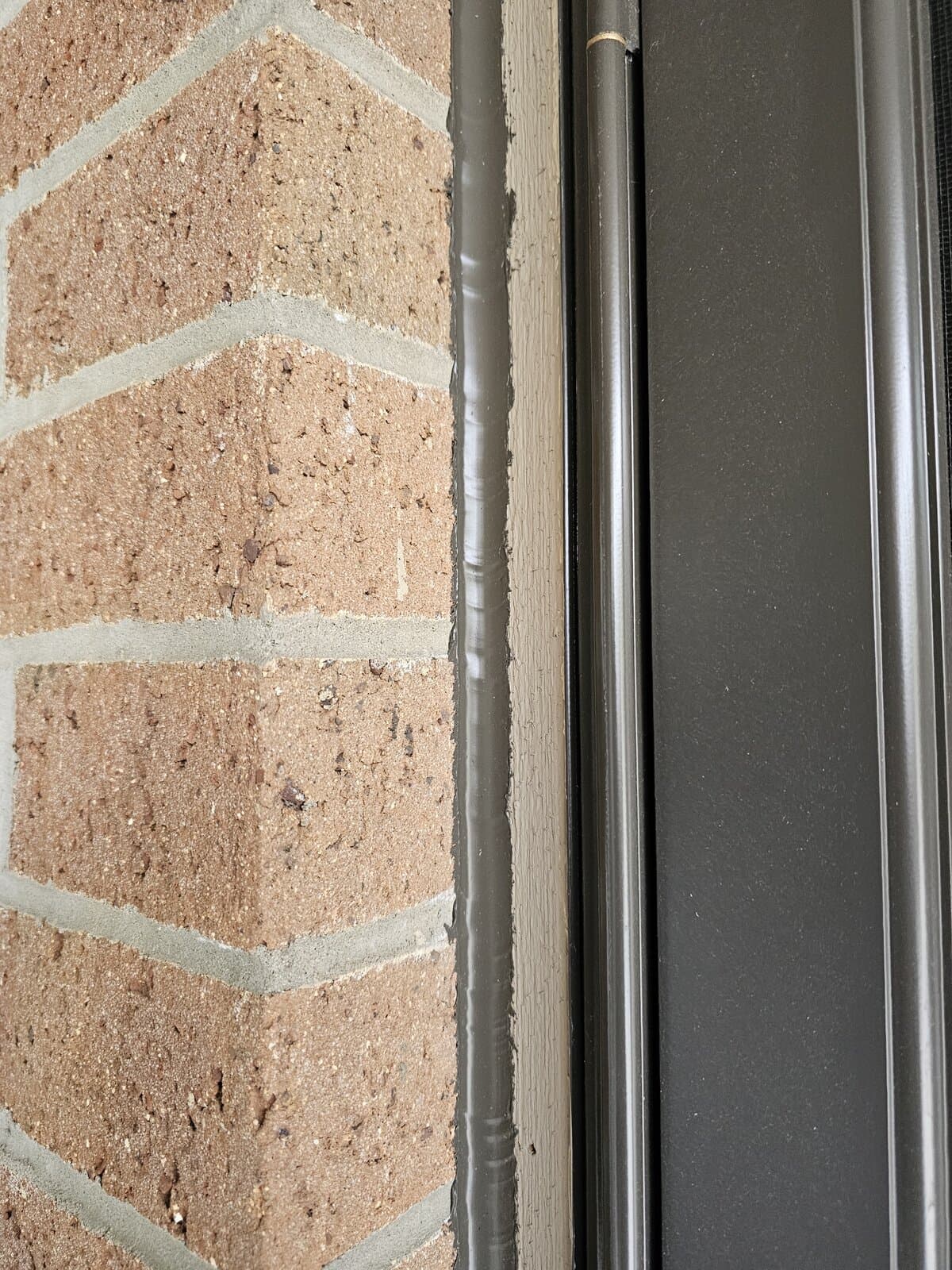
Repointing is removing old, damaged mortar from between bricks and replacing it with new mortar. That's it — old mortar out, new mortar in.
Tuckpointing is a specific technique where, after repointing, you apply a thin line of contrasting mortar (usually a lighter color) to create the appearance of very fine, precise joints. The term has evolved over time, and in the U.S. most people use "tuckpointing" to mean any mortar joint repair — even when they technically mean repointing.
What Is Repointing?
Repointing is the bread and butter of masonry maintenance. Over time, mortar joints deteriorate from weather, moisture, and Cleveland's freeze-thaw cycles. When that mortar starts crumbling, cracking, or falling out, repointing is how you fix it.
The process:
- 1. Remove the damaged mortar — We grind or chisel out the old mortar to a depth of at least 3/4 inch. This gives the new mortar enough surface area to bond properly.
- 2. Clean the joints — Dust and debris are removed so the new mortar adheres to clean brick.
- 3. Pack in new mortar — Fresh mortar is applied in layers and compressed into the joint.
- 4. Tool the joints — The mortar is shaped to match the existing joint profile (concave, flush, V-shaped, etc.).
- Is the old mortar being removed to proper depth? (Not just smeared over the top)
- Is the new mortar matched to your existing mortar? (Color and composition)
- Are the joints tooled to match the original profile?
The goal is restoring the structural integrity of the wall and keeping water out. When done right, repointing blends seamlessly with the existing brickwork.
What Is Tuckpointing (Technically)?
Traditional tuckpointing is a decorative technique that originated in England. After filling the joints with mortar that matches the brick color, a thin line of lighter-colored mortar (called a "tuck") is pressed into the center of each joint. From a distance, it creates the illusion of very fine, crisp joints — even on old or irregular brickwork.
This technique is mostly used on historic buildings and high-end restoration work where appearance matters as much as function.
So Which One Do You Need?
If your mortar is crumbling, cracking, or missing — you need repointing. This is a structural repair. Water is getting into your wall and causing damage that gets worse with every freeze-thaw cycle.
If you're restoring a historic home and want period-accurate joints — you might want true tuckpointing for the decorative finish.
In practice, for most Cleveland homeowners, when your mason says "tuckpointing," they mean repointing — removing bad mortar and replacing it with new mortar that matches. And that's exactly what your home needs.
Why the Terms Get Mixed Up
In the Midwest and most of the U.S., "tuckpointing" has become the generic term for any mortar joint repair. If you search "tuckpointing near me" or "tuckpointing Cleveland," you'll find masons who do repointing work. It's just how the language has evolved.
Don't get hung up on terminology. What matters is:
A good mason does all three regardless of what you call it.
What About "Pointing"?
You might also hear just "pointing" — this refers to the original mortar application when a brick wall is first built. Repointing literally means doing the pointing again.
The One Thing to Watch Out For
Some contractors will "skim coat" or smear new mortar over old mortar without actually removing the damaged material. This is not repointing — it's a cosmetic patch that will fail within a year or two. Proper repointing requires grinding out the old mortar to at least 3/4 inch depth before packing in new material.
If someone gives you a quote that seems too cheap, ask how deep they're grinding out the old mortar. That'll tell you everything you need to know.
Bottom Line
For most homeowners in Cleveland, when your mortar is failing, you need repointing — which most people around here call tuckpointing. The name doesn't matter as much as the quality of the work. Make sure your mason is removing old mortar to proper depth, matching the new mortar, and tooling the joints correctly.
If you're not sure what your home needs, we're happy to take a look. Call (216) 324-1804 or fill out our contact form for a free assessment.
Need Help With Your Masonry Project?
KS Masonry Restoration provides free estimates for Cleveland-area homeowners.